
What to Know About High Blood Pressure
High blood pressure can develop quietly. Many people feel fine and have no idea their numbers are too high until a routine screening picks it up. That's one reason it deserves attention.
When blood pressure stays elevated over time, it can put extra strain on the heart and blood vessels. It also raises the risk of serious health problems.
The good news is that awareness can lead to action. Knowing your numbers, understand what can affect them, and making practical changes can help you improve your heart health.
Why High Blood Pressure is a Silent Condition
High blood pressure doesn't always cause obvious symptoms.
"One of the difficulties with high blood pressure is you may not have symptoms," shares cardiologist Dr. Mark Matthews. "Around 48% of adults in the US have hypertension, and that's just the ones who are diagnosed. Many others don't know they have it."
In many cases, people live with elevated numbers for years without noticing a problem.That's why regular checks matter.
Some people may experience warning signs, such as:
- Headaches
- Shortness of breath
- Blurred vision
- Chest discomfort
These symptoms might be more obvious when blood pressure reaches very high levels. Never ignore symptoms like these. If something feels wrong, seek medical attention.
Know Your Numbers
Blood pressure readings include two numbers:
- The top number, systolic pressure, measures pressure in the arteries when the heart beats.
- The bottom number, diastolic pressure, measures pressure between beats.
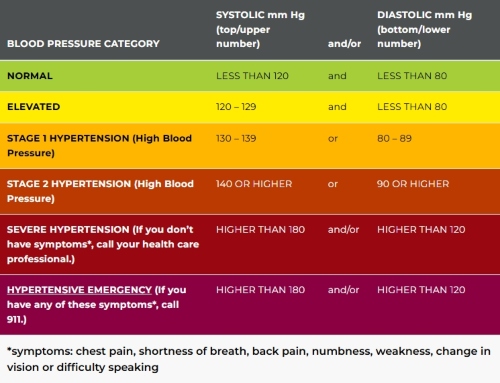
Image Source: Heart.org
Your healthcare provider can help you undersatnd what your numbers mean and what range is appropriate for you. Even if you feel healthy, routine screening can catch concerns early.
Where to Check Your Blood Pressure
You have several ways to monitor your blood pressure.
- Your primary care provider can check it during an office visit and help track changes over time.
- Many pharmacies offer ffree blood pressure checks.
- You might also choose a home monitor, which can make it easier to watch trends and share readings with a doctor.
if you check at home, sit quietly for a few minutes first. Keep your feet flat on the floor and use a properly fitted cuff. Good technique matters to get the most accurate reading.
What Can Help Lower Blood Pressure?
If you have high blood pressure, small changes can help you lower it.
Reducing sodium may help, especially if processed foods make up a large part of your diet.
"Sodium is a big deal for a lot of people because they don't realize they can take in 5,000 or 6,000 milligrams a day," warns Dr. Matthews. "If you treat yourself at a restaurant, it could anywhere from 8,000 to 10,000 milligrams of sodium. You can easily go over your daily limit in just one meal."
Moving more can support heart health, whether that means walking, biking, or another activity you enjoy.
Managing stress also matters. For some people, that may involve better sleep, mindfulness, or simply making time to slow down.
Dr. Matthews notes that medication can sometimes be part of the plan. "If lifestyle changes alone don't seem to make a significant improvement, then it's usually time for hypertensive medication."
If your provider prescribes treatment, take it as directed and keep follow-up appointments.
When to Talk to Your Doctor
If you have elevated readings, a family history of high blood pressure, or symptoms that concern you, talk with your doctor. Don't wait for a problem to become urgent.
A conversation with a healthcare provider can help you understand your risk and decide whether lifestyle changes are enough. They'll build a plan that works for you.
Take a Simple Step Today
Checking your blood pressure takes only a few minutes, and it can tell you a lot about your health. One reading can start an important conversation and help you take steps to protect your heart for the long term.
If you are seeking primary care, our providers at Stephens County Hospital Physician Group - Primary Care are accepting new patients. Schedule an appointment by calling 706-282-5840.