
Honoring Women in Medicine: Celebrating Women’s History Month
Every March, Women's History Month offers us the opportunity to reflect on the contributions women have made across every field, and few areas have been shaped more profoundly by women than medicine.
From breaking barriers in medical education to pioneering life-saving research, women have transformed healthcare in ways that impact patients and providers every single day. Their courage, resilience, and innovation laid the foundation for many of the standards and practices we rely on today.
As we celebrate Women's History Month, we honor the trailblazers who changed the face of medicine and continue to inspire future generations of healthcare professionals.
1. Elizabeth Blackwell (1821-1910)
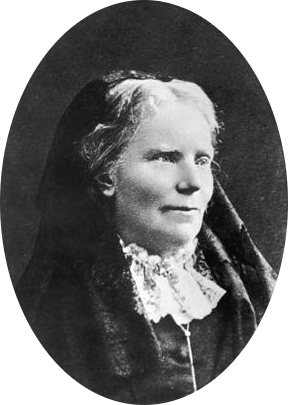
Image Source: Wikipedia
In 1849, Elizabeth Blackwell became the first woman in the United States to receive a medical degree. Despite facing rejection from numerous medical schools, she perservered and paved the way for women to enter the medical profession.
Blackwell later helped establish the New York Infirmary for Women and Children, creating opportunities for female physicians and improving access to care for underserved patients.
2. Rebecca Lee Crumpler (1831-1895)
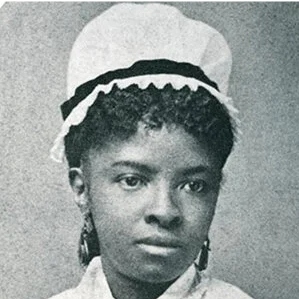
Image Source: Wikipedia
Rebecca Lee Crumpler became the first Black woman physician in the United States in 1864. She dedicated her career to caring for women, children, and formerly enslaved individuals after the Civil War.
She also authored one of the first medical publications by an African-American physician, focusing on maternal and pediatric health.
3. Florence Nightingale (1820-1910)
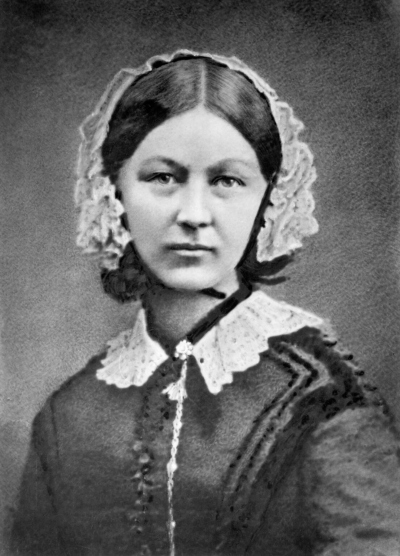
Image Source: Wikipedia
Often called the founder of modern nursing, Florence Nightingale transformed hospital santitation practices during the Crimean War. Her emphasis on hygiene dramatically reduced mortality rates and established data-driven healthcare practices.
Nightingale's work laid the foundation for professional nursing education and quality improvement in healthcare settings worldwide.
4. Virginia Apgar (1909-1974)
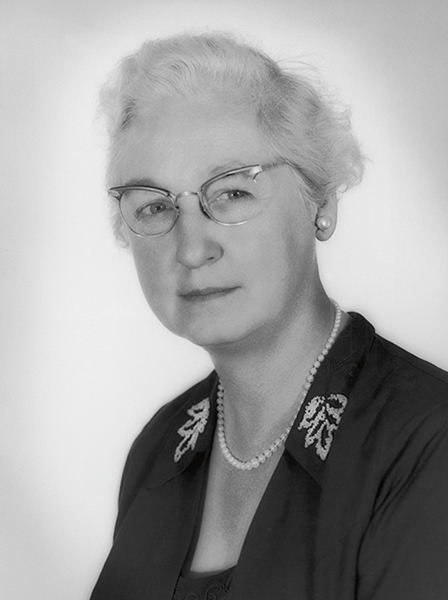
Image Source: Wikipedia
Dr. Virginia Apgar developed the Apgar Score in 1952, a quick and standardized method to assess a newborn's health immediately after birth. Today, medical facilities around the world use this simple evaluation, and it's helped save countless infant lives.
Her innovation improved neonatal care and demonstrated how practical, evidence-based tools can transform patient outcomes.
5. Helen Brooke Taussig (1898-1986)
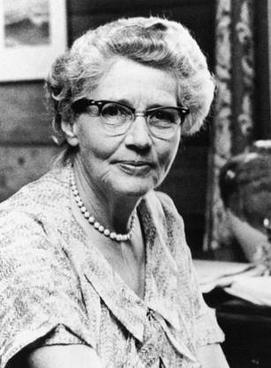
Image Source: Wikipedia
Dr. Helen Brooke Taussig was a pioneer in pediatric cardiology. She helped develop the Blalock-Taussig shunt, a groundbreaking procedure that treated "blue baby syndrome" and dramatically increased survival rates for infants born with congenital heart defects.
Her work revolutionized cardiac surgery and pediatric care.
6. Gertrude B. Elion (1918-1999)
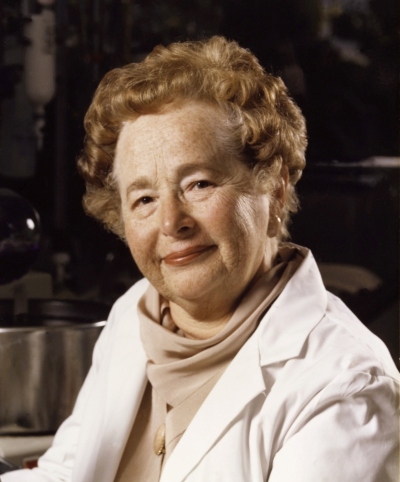
Image Source: Wikipedia
Dr. Gertrude B. Elion was a pioneering pharmacologist whose research led to the development of life-saving medications to treat leukemia, autoimmune diseases, organ transplant rejection, and viral infections.
Despite being denied admission to graduate school because she was a woman, Elion went on to revolutionize drug development by helping create one of the first rational drug design approaches. It targeted specific disease processes rather than relying on trial and error.
In 1988, she received the Nobel Prize in Physiology or Medicine for her groundbreaking work. Her contributions continue to benefit millions of patients worldwide and helped shape modern pharmaceutical research.
7. Antonia Novello (born 1944)
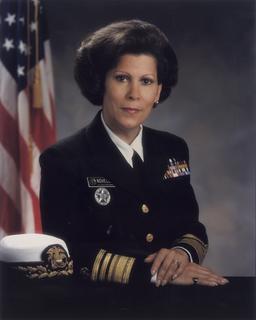
Image Source: Wikipedia
Dr. Antonia Novello became the first woman and the first Hispanic person to serve as U.S. Surgeon General in 1990. During her tenure, she focused on public health issues affecting women, children, and underserved communities.
Her leadership highlighted the importance of prevention, education, and community health initiatives. She has also been inducted into the National Women's Hall of Fame and has received more than 50 honorary degrees.
Continuing the Legacy
The women we honor this month were pioneers and world-changers, but they are far from alone. Today, women serve as physicians, nurses, researchers, administrators, technicians, and leaders across every specialty and department in healthcare.
Their work continues to drive innovation, improve patient outcomes, and strengthen communities. As a hospital dedicated to compassionate, high-quality care, we recognize that our mission is built on the contributions of women, past and present.
This Women's History Month, we celebrate not only the history-makers but also the women within our own walls who care for patients, mentor colleagues, and shape the future of medicine every day.