
Flu Season in Georgia: What You Need to Know
Georgia's flu season this year has been one of the most severe in the country, with recent higher-than-average activity. Flu season in Georgia often begins earlier than many expect and can linger well into spring. Mild winters, fluctuating temperatures, and busy indoor gatherings create ideal conditions for viruses to spread.
Staying informed about flu risks and prevention is especially important for Georgians looking to protect their families, coworkers, and communities during peak illness months.
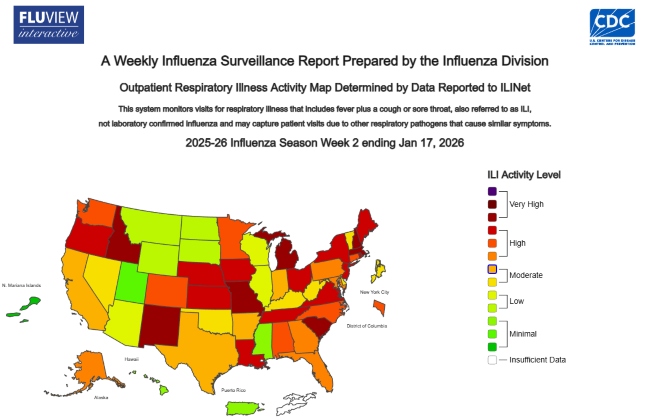
Source: CDC
What Is the Flu and Why Does It Matter in Georgia?
The flu is a contagious illness that affects the lungs. It's caused by influenza viruses.
In Georgia, flu activity typically increases between late fall and early spring, with spikes often following holidays and school breaks.
Awareness helps reduce the likelihood of spreading the flu. Reducing the spread is important for preventing flu-related complications, especially among older adults, young children, and those with chronic conditions.
How Does the Flu Spread?
The flu spreads through respiratory droplets when someone coughs, sneezes, or talks. It can also spread by touching contaminated surfaces and then touching the face.
Frequent temperature changes can weaken how our immune system responds. In Georgia, these temperature swings are unavoidable: It feels like spring one day, then it might snow the next. This makes prevention habits even more important.
What Symptoms Should Georgia Residents Watch For?
Flu symptoms often appear suddenly. They include:
- Fever or chills
- Cough
- Sore throat
- Fatigue
- Muscle aches
- Headaches
- Congestion
Symptoms are often more severe than those of a common cold. If symptoms worsen, persist, or interfere with daily activities, contact your healthcare provider.
How Can You Help Prevent the Flu in Georgia?
Prevention starts with everyday actions:
- Wash your hands often, especially before eating.
- Avoid close contact with people who are sick or showing symptoms.
- Cover coughs and sneezes.
- Clean and sanitize high-touch surfaces.
Staying home when sick or showing symptoms helps to prevent outbreaks in schools and workplaces. Supporting your immune system with proper sleep, hydration, and nutrition is also important during Georgia's extended flu season.
Stay Healthy This Flu Season
Cold and flu season is a reality every winter in Georgia. Practicing healthy habits, recognizing symptoms early, and being mindful of where you travel can reduce its impact.
If you're experiencing flu symptoms and would like to be seen by a healthcare provider, Stephens County Hospital can help in the following ways:
- Schedule an appointment with one of our primary care providers at Stephens County Hospital Physician Group - Primary Care: Dr. Wade, Dr. Quick, Charlotte Griffith, and Tommy Small.
- Visit WorkWell, our Immediate Care Clinic, without an appointment.
- If you are a Stephens County School System student, employee, or family member of an employee, please utilize our new Arrowhead Health and Wellnes Clinic, located on the campus of Stephens County High School.
If something feels off or symptoms aren't improving, checking in with your provider sooner can help you recover faster and protect those around you.