
Black History Month: 6 Medical Pioneers Who Changed What's Possible
Black History Month is a time to reflect on the people whose courage, brilliance, and perserverance reshaped the world we live in today. In medicine, that impact is especially profound.
Black physicians, medical professionals, researchers, and innovators pursued discovery and healing while also confronting systemic barriers that limited where they could practice and lead. Despite those challenges, their work advanced lifesaving treatments and expanded access to care. They opened doors for future generations of healthcare professionals and the patients they serve.
Celebrating these stories is about recognizing how progress in healthcare has always depended on diverse voices and an unwavering commitment to human dignity. When we honor their legacy, we also shine a light on the ongoing importance of representation and equity in healthcare.
Black History Month reminds us that the future of medicine grows stronger when opportunity is shared widely, and when the next generation of healers is inspired by those who proved what is possible.
The pioneers highlighted below transformed surgery, blood banking, vision care, neuroscience, vaccine science, and pediatric health. Their achievements continue to shape hospitals, clinics, and research labs today, improving outcomes for patients of every background.
Dr. Daniel Hale Williams: A Surgeon Who Built Access and Made History in the OR
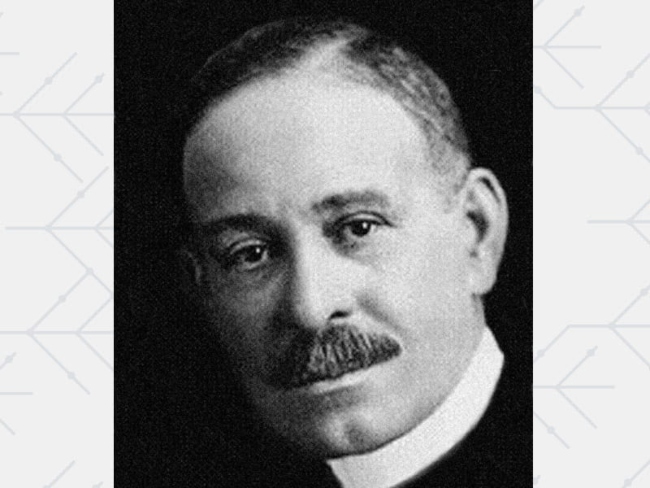
In 1893, Dr. Daniel Hale Williams performed one of the earliest successful open heart surgeries after a patient arrived with a chest wound. This was in an era before antibiotics and many modern surgical tools.
Williams also founded Provident Hospital in Chicago, creating a place where Black patients could receive quality care and Black physicians and nurses could train and practice at at time when many institutions shut them out.
Williams proved that innovation and access belong together. He built systems that let more people survive, learn, and lead.
Dr. Charles Richard Drew: The "Father of the Blood Bank"
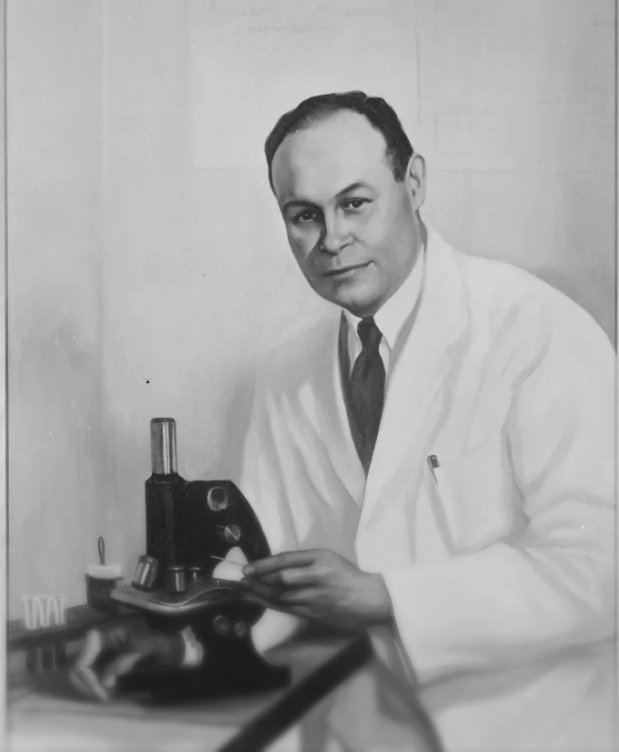
If you've ever donated blood or known whose life depended on a transfusion, Dr. Charles R. Drew is part of that story. He advanced methods for separating and preserving blood plasma and helped organize large-scale blood banking, shaping the way blood can be stored and delivered when it's needed most.
Drew's legacy ilves in every emergency room, surgery center, and disaster response where blood products help turn crisis into recovery.
Dr. Patricia Bath: An Inventory Who Helped People See Again
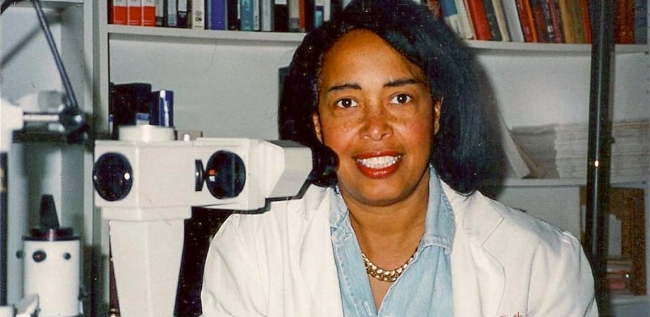
Dr. Patricia Bath was a physician-scientist and inventor who developed the Laserphaco Probe, a technology that improved cataract treatment and helped restore vision for patients around the world.
Her achievements were also historic in another way: she became the first Black woman physician to receive a U.S. medical patent, creating a powerful blueprint for future physician-inventors.
Bath's work reminds us that solving medical problems often takes imagination, along with the determination to build doesn't exist yet.
Dr. Alexa Canady: A Trailblazer in Pediatric Neurosurgery
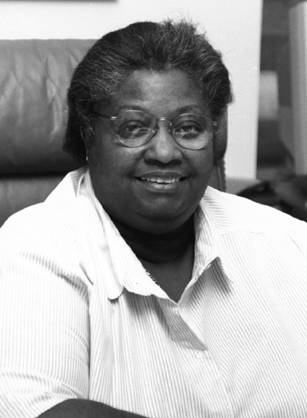
Dr. Alexa Canady became the first African-American woman neurosurgeon in the United States. She spent her career helping children and their families through some of the most complex, high-stakes medical situations imaginable.
Her leadership helped elevate pediatric neurosurgical care and training. Representation changes who feels welcome to enter a field, and it expands the expertise available to patients.
Dr. Kizzmekia Corbett-Helaire: A Modern Vaccine Pioneer
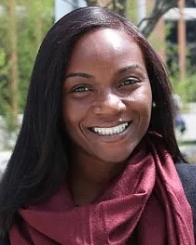
Dr. Kizzmekia Corbett-Helaire is a viral immunologist who work, alongside Dr. Barney Graham, helped accelerate the development of the Moderna COVID-19 vaccine, one of the scientific efforts that changed the course of a global pandemic.
She has also been a visible, trusted science communicator, helping the public understand vaccines and public health in real time.
Corbett's career shows how today's medical innovators don't just work in labs. They also help communities navigate fear, misinformation, and uncertainty with facts and compassion.
Dr. Marilyn Hughes Gaston: Research that Protected Children with Sickle Cell Disease
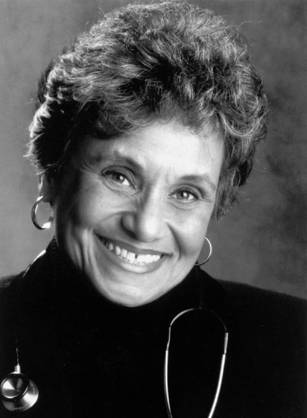
Dr. Marilyn Hughes Gaston led research that helped establish a life-saving standard of care for children with sickle cell disease. Her findings showed that early penicillin prophylaxis could prevent deadly infections.
Her work helped drive broader efforts such as newborn screening and improved early intervention for sickle cell disease.
Breakthroughs like this are life-saving. They change the outcome for families who may never know the researcher's name, but live longer because of the work.
Carrying Their Legacy Forward
These six pioneers broke barriers while building better medicine: safer surgeries, stronger public health systems, smarter treatments, and more possibilities for the next generation.
The best way to honor that legacy during Black History Month is to keep it moving. Learn the stories, share the names, support equitable healthcare, and encourage future clinicians and scientists who are ready to solve the next set of impossible problems.